


.png)
Why Checking Your Fuel Can Save Your Lawn Equipment
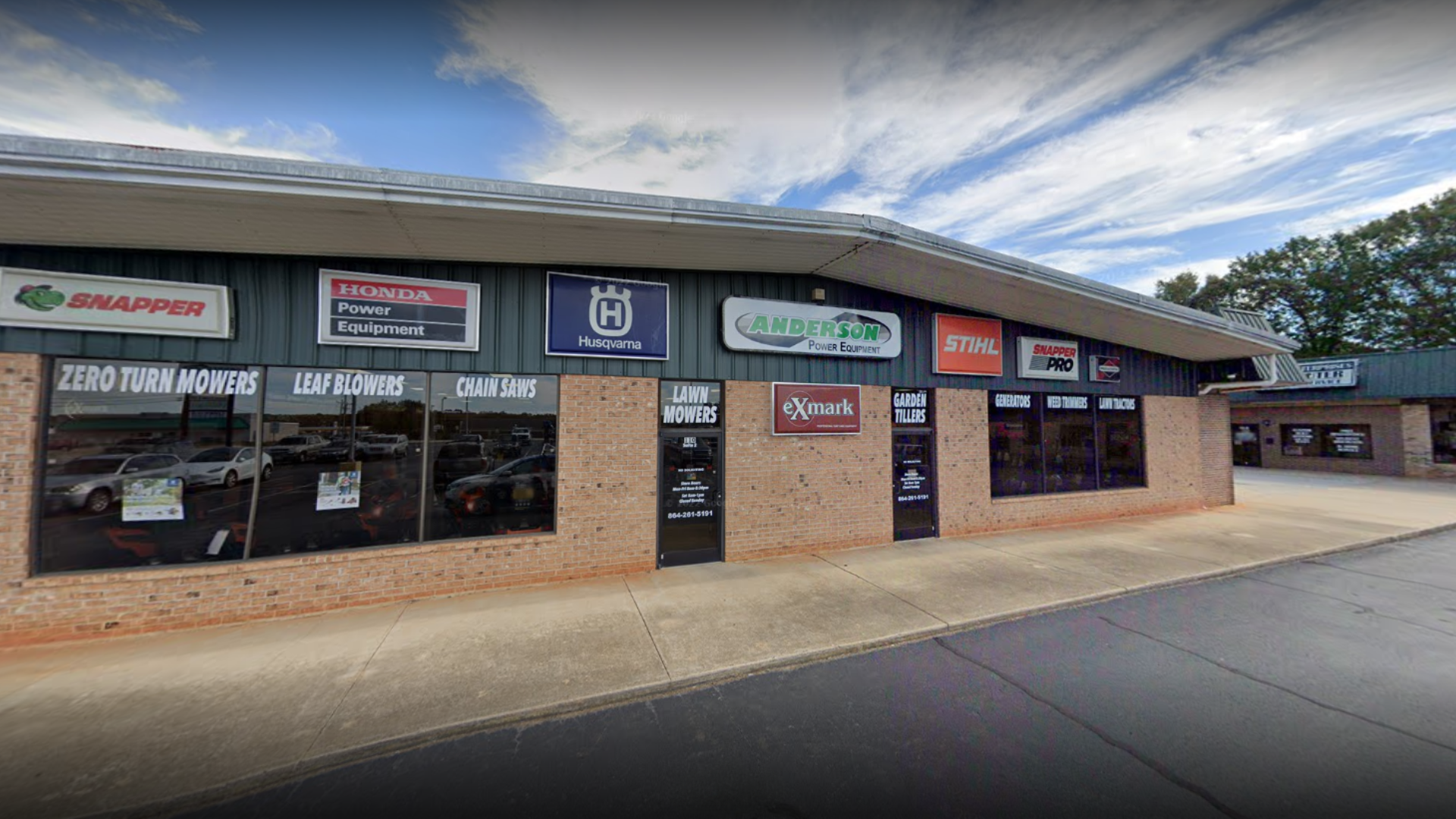
When it comes to outdoor power equipment, fuel quality matters more than most people realize. Whether you’re running a chainsaw, string trimmer, blower, or zero-turn mower, contaminated or old fuel can quickly lead to poor performance, expensive repairs, and unnecessary downtime. At Anderson Power Equipment, one of the most common issues seen in the service department is equipment damage caused by bad fuel.
The good news is that fuel-related problems are often preventable with a few simple maintenance habits.
Check Your Fuel Regularly
A quick fuel inspection can tell you a lot about the condition of your gasoline. The easiest way to test your fuel is to pour a small sample into a clean, clear container and inspect it in the light.
Clean fuel should look clear and bright, similar to the blue fuel sample shown in the top photo. If your fuel appears cloudy, separated, discolored, or contains visible debris or water like the second photo, it’s time to dispose of it properly and replace it with fresh gasoline.
Water contamination is especially common when fuel is stored improperly or left sitting too long. Condensation can form inside gas cans, especially during hot and humid weather changes. Dirt, rust, and debris can also enter containers that are not sealed correctly.
According to the U.S. Environmental Protection Agency, contaminated fuel and improper storage can negatively impact both engine performance and emissions systems.
Why Bad Fuel Is So Hard on Small Engines
Unlike automobiles, small engines in lawn equipment are extremely sensitive to fuel quality. Carburetors and fuel systems have tiny passages that clog easily when old gasoline begins to break down or contaminants enter the system.
Some of the most common symptoms caused by poor fuel include:
Hard starting
Rough idling
Loss of power
Smoking exhaust
Stalling
Fouled spark plugs
Carburetor damage
In severe cases, bad fuel can lead to complete engine failure or costly repairs that could have been avoided.
At Anderson Power Equipment, factory-trained technicians regularly help customers repair equipment damaged by stale fuel and improper fuel mixtures.
Use the Correct Octane Rating
For two-cycle equipment, fuel quality becomes even more important because oil is mixed directly into the gasoline. The Anderson Power Equipment’s recommendation is clear:
“Remember the octane rating must be 89 or above when mixing two cycle oil.”
Using low-octane fuel can reduce combustion efficiency and increase the risk of engine knocking or overheating. Mid-grade gasoline (89 octane or higher) is typically recommended for many professional-grade two-cycle engines.
Manufacturers such as STIHL and other outdoor power equipment brands also recommend using fresh, high-quality gasoline with the proper oil-to-fuel ratio for optimal engine protection.
It’s also important to avoid using gasoline with excessive ethanol content whenever possible. Ethanol attracts moisture, which increases the likelihood of water contamination and fuel separation over time. The Outdoor Power Equipment Institute recommends using fuel with no more than 10% ethanol in small engines.
Don’t Store Fuel Too Long
Another major mistake equipment owners make is storing gasoline for months at a time.
Gasoline begins degrading surprisingly quickly. As fuel ages, volatile compounds evaporate and oxidation occurs, creating varnish and gum deposits that damage carburetors and fuel lines.
The recommendation from Anderson Power Equipment is simple:
“Store no more than 90 days.”
That’s excellent advice for both homeowners and landscaping professionals. If you know fuel will sit longer than a few weeks, adding a quality fuel stabilizer can help extend usability. However, even stabilized fuel has limits.
Here are a few smart fuel storage tips:
Store gasoline in approved fuel containers only
Keep containers tightly sealed
Store fuel in a cool, dry place away from direct sunlight
Label containers with purchase dates
Avoid mixing old fuel with fresh gasoline
Dispose of stale gasoline properly
Following these practices can significantly extend the life of your outdoor power equipment.
The Cost of Ignoring Fuel Maintenance
Many customers assume their mower or trimmer suddenly “just stopped working,” when the real problem started weeks or months earlier with contaminated fuel.
A simple fuel inspection takes less than a minute but can prevent:
Carburetor rebuilds
Fuel system cleanings
Injector replacements
Engine scoring
Premature equipment wear
Professional landscaping crews especially benefit from routine fuel checks because downtime during peak mowing season directly impacts productivity and revenue.
For homeowners, fuel maintenance means fewer headaches when it’s time to mow the lawn after equipment has been sitting in the garage for a while.
Trust Anderson Power Equipment for Service and Advice
Anderson Power Equipment has built a reputation as a trusted source for outdoor power equipment sales, parts, and service in Anderson, South Carolina. The company carries leading brands including Husqvarna, Exmark, STIHL, Honda, Billy Goat, and more.
Their technicians have more than 60 years of combined experience helping customers keep their equipment running at peak performance.
If your equipment is running poorly, having trouble starting, or showing signs of fuel contamination, the team at Anderson Power Equipment can help diagnose the issue before it becomes a major repair.
You can also contact Anderson Power Equipment for service scheduling, repair questions, or preventative maintenance recommendations.
Final Thoughts
Fuel quality is one of the most overlooked parts of outdoor power equipment maintenance, but it’s also one of the most important.
Remember these key takeaways:
Fuel should always appear clean and clear
Avoid water, debris, or cloudy fuel
Use 89 octane or higher for two-cycle fuel mixes
Store gasoline no longer than 90 days
Regular fuel checks can prevent expensive repairs
A few minutes spent checking your fuel today can save you hundreds of dollars — and a lot of frustration — tomorrow.

Comments